
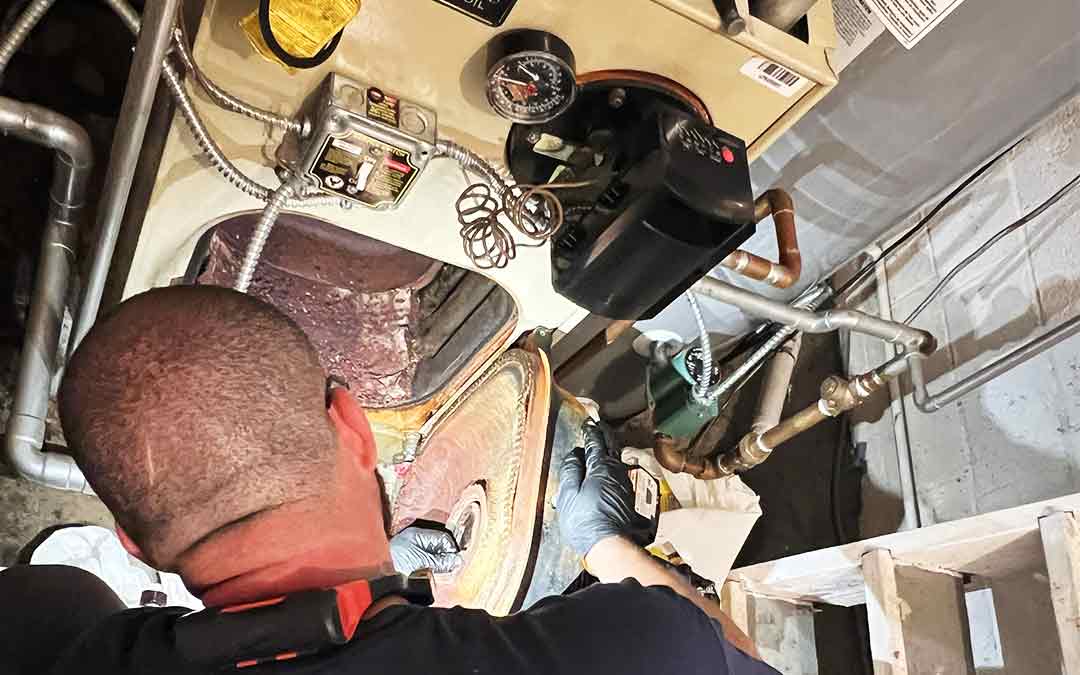
If your home still relies on oil heat, you may have wondered whether switching to natural gas would be a better long-term option. Between scheduling oil deliveries, managing heating costs, and maintaining older equipment, it’s understandable to consider making a change.
For homeowners in Yonkers and throughout Westchester County, an oil-to-gas conversion can offer certain conveniences. But before making the switch, it’s important to understand what’s involved, how much it may cost, and whether natural gas service is available at your property.
With changes to New York’s gas connection rules approaching in December 2026, here’s what homeowners should know before planning a conversion.
Why Do Homeowners Consider Switching From Oil to Gas?
One of the main reasons homeowners consider an oil-to-gas conversion is convenience. Unlike oil heating, which requires fuel deliveries and an on-site storage tank, natural gas is delivered directly through a utility connection.
It may also make sense for homeowners whose existing oil-fired heating equipment is approaching the point where significant repairs or replacement are needed.
You may also be wondering whether switching to natural gas could lower your heating bills. Natural gas and heating oil prices change over time, so switching fuels doesn’t automatically guarantee lower heating bills. Your potential savings depend on local fuel rates, the efficiency of your current system, and the equipment you choose.
For some Westchester homeowners, understanding the cost and benefits of converting oil to gas can help determine whether making the switch is worthwhile. For others, maintaining or upgrading their existing heating system may be more practical.
How Much Does Oil-to-Gas Conversion Cost in Westchester County?
The cost of converting from oil to natural gas can vary depending on your home’s existing heating system, gas service availability, and installation requirements. A home with an adequate natural gas connection may require less work than one that needs a new service line.
Several factors can affect the total cost, including the type of boiler or furnace, gas piping, oil tank removal, and any necessary venting modifications. Permits, inspections, and labor may also add to the overall expense.
Before moving forward, request a detailed estimate that outlines the equipment, installation work, and potential additional costs. This will give you a clearer picture of the overall investment.
Important Changes to New York Gas Connection Rules in December 2026
If you’re considering an oil-to-gas conversion, there’s an important regulatory change you should understand.
New York State passed legislation in December 2025 eliminating the long-standing natural gas connection policy commonly called the 100-foot rule. Under the previous policy, eligible new gas customers could receive up to 100 feet of gas service installation without paying the full connection cost directly.
The repeal is scheduled to take effect in December 2026. Under the new law, residential applicants requesting new natural gas service will generally be responsible for the applicable material and installation costs of the facilities needed to provide that service. This could make new gas connections more expensive for some homeowners.
What Does This Mean for Westchester Homeowners?
If your property already has natural gas service, the impact may be different from that of a home requiring a new connection from the street. If your home doesn’t already have natural gas service, you’ll want to factor the cost of a new connection into your budget.
However, not every property will qualify for a new connection. Gas service availability, utility capacity, and current restrictions must be confirmed before planning the project.
Although Con Edison lifted its Westchester County natural gas moratorium in December 2023, homeowners should not assume that new service is automatically available at every address. Each request still requires utility review.
If you’re considering an oil-to-gas conversion, contact your gas utility to understand the current requirements, potential connection charges, and how the upcoming changes may affect your property.
You can also review the New York State announcement regarding the repeal of the 100-foot rule for additional background.
What Happens During an Oil-to-Gas Conversion?
An oil-to-gas conversion involves several steps, from evaluating your existing heating system to completing the installation and required inspections.
The process can vary depending on your home’s layout, the condition of your equipment, and whether natural gas is already available.
Step 1: Evaluate Your Existing Heating System
The first step is assessing your current boiler or furnace, including its condition, heating capacity, and compatibility with available conversion options.
Not every oil-fired system can be converted safely or economically. In some cases, replacing the equipment with a properly sized gas heating system may be the more appropriate choice.
A professional evaluation helps determine which heating options make sense for your home and budget.
Step 2: Confirm Natural Gas Availability
Before any installation work begins, your utility provider must confirm whether natural gas service is available and whether your property can receive the required supply.
Some homes already have gas connections for cooking or other appliances. However, an existing connection doesn’t necessarily mean the service has enough capacity for a heating system.
If a new service line or upgrade is required, the utility must review the request and determine the next steps.
Step 3: Plan the Installation and Required Permits
Once the heating equipment and gas service requirements are established, the installation can be planned.
This may include replacing the existing boiler, installing gas piping, modifying venting, and arranging for the proper handling of the oil tank.
Local permits and inspections may also be required. These steps help ensure that the new heating system meets applicable safety and installation requirements.
Depending on the project, coordination between the heating contractor, gas utility, and local building department may be necessary before work can proceed.
Step 4: Complete Installation and System Testing
After the necessary approvals are in place, qualified professionals can complete the installation and coordinate the required inspections.
The new equipment must be properly connected, tested, and commissioned before regular operation.
At Flotechs, we help homeowners understand their oil-to-gas conversion options, including equipment selection, installation planning, and the steps involved in completing the project.
How Long Does an Oil-to-Gas Conversion Take?
How long your conversion takes will depend on the work your home needs and whether you already have natural gas service.
If your home has an existing gas connection with adequate capacity, the process may be more straightforward. However, the installation still requires proper planning, equipment availability, and any necessary permits or inspections.
The on-site installation may take several days for some projects, but the entire conversion process can take several weeks or longer when utility approvals, service upgrades, equipment orders, and inspections are included. These are general planning estimates, not guaranteed completion times.
For homes that need a new gas service line, the process can take longer because the utility must review and approve the connection request.
If you’re hoping to complete a conversion before winter, it’s best to begin exploring your options early. Waiting until your current heating system fails can limit your choices and create unnecessary scheduling pressure.
Are There Rebates or Incentives for Oil-to-Gas Conversion?
Available rebates or incentives may help offset certain heating upgrade costs, depending on the equipment and program requirements.
However, homeowners should not assume that rebates are available specifically for switching from oil to natural gas. Incentive programs change, and some energy-efficiency programs focus on electric heating alternatives, such as heat pumps, rather than new gas equipment.
Before including any potential rebate in your conversion budget, check with your utility provider to confirm whether incentives are currently available and whether your equipment and project qualify.
For homeowners served by Con Edison, reviewing the utility’s current energy-efficiency programs and eligibility requirements is a useful starting point. It’s also worth comparing the cost of a gas conversion with other available heating upgrades before making a final decision.
Is Oil-to-Gas Conversion Right for Your Home?
Converting from oil to natural gas can be a worthwhile investment for homeowners looking for a more convenient way to heat their homes.
Before making the switch, it’s important to consider factors such as natural gas availability, the condition of your current heating system, and the overall conversion cost.
It’s also worth comparing long-term operating costs, equipment efficiency, and available alternatives. For some homes, upgrading the existing heating system or considering an electric heat pump may be a better fit.
Taking the time to understand your options can help you decide whether converting to natural gas makes sense for your home.
A professional evaluation can help you explore your conversion options and understand what’s involved in the process. With proper planning and expert guidance, you can make a confident decision that supports your home’s comfort and heating needs.
Planning an Oil-to-Gas Conversion in Westchester County?
At Flotechs Plumbing and Heating, we help homeowners throughout Yonkers and Westchester County understand their heating options and make informed decisions about their homes.
Whether you’re considering an oil-to-gas conversion or replacing an older boiler, we’re here to help you understand what’s involved and what makes sense for your heating needs. Explore our heating services or contact Flotechs to discuss your options.