
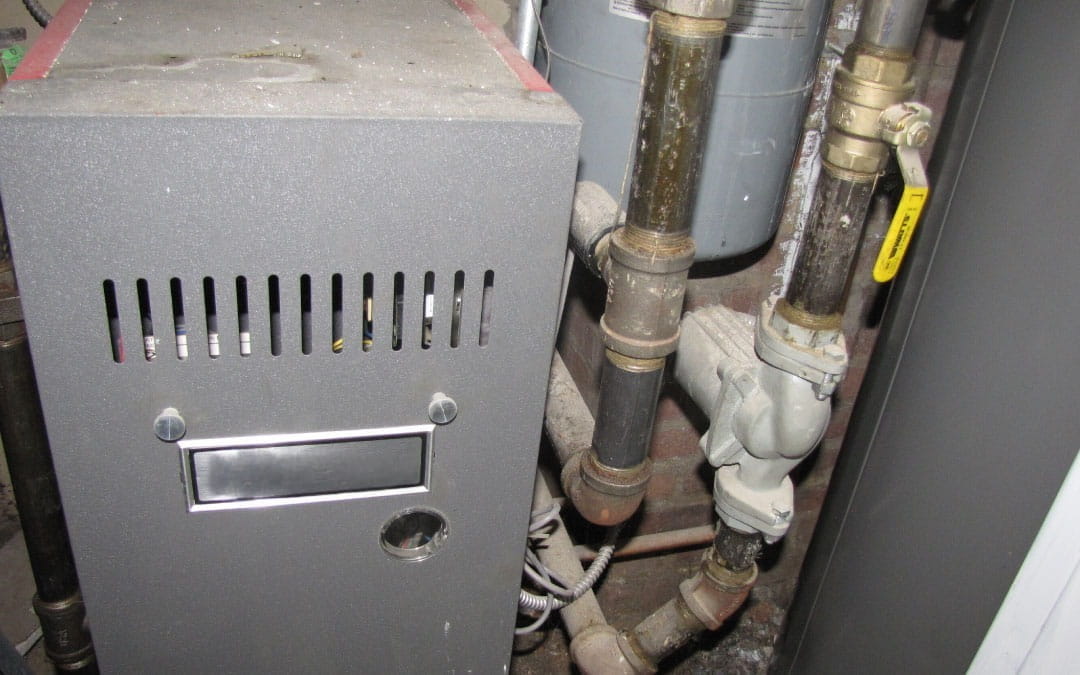
If your boiler has been heating your Westchester home for years, you may be wondering how much longer it will last. Maybe you’ve noticed higher heating bills, uneven temperatures, or more frequent repairs. Or perhaps it’s still working fine, but you want to know when to start planning for a replacement.
So, how long should a boiler actually last? For many residential boilers, 15 to 30 years is a useful general estimate. Some last longer, while others need major repairs or replacement sooner.
But here’s what we tell homeowners: the age of your boiler is only part of the story. How well it’s been maintained, how reliably it heats your home, and whether repairs are becoming more frequent can tell you much more about what to expect.
How Long Does a Boiler Typically Last?
A boiler’s life expectancy varies depending on its design and how well it’s maintained. Some traditional boilers, particularly older cast-iron systems, can remain in service for several decades. Modern high-efficiency and combi-boilers have different components and maintenance requirements, so their service lives may differ.
A 20-year-old boiler that has received regular maintenance may still be performing reliably, while a newer system with installation problems or neglected maintenance could need attention much sooner.
Age alone doesn’t tell the whole story. A boiler’s repair history, heating performance, and overall condition are just as important when deciding whether it has more useful years ahead.
If you are unsure how old your boiler is, start by looking for the manufacturer’s nameplate or installation records. A heating professional can also help identify your equipment and evaluate its condition.
What Affects a Boiler’s Lifespan?
Two boilers installed around the same time may have very different lifespans. Several factors influence how long a heating system continues to operate reliably.
Regular Boiler Maintenance
Routine maintenance plays an important role in keeping your boiler running safely and efficiently.
During a professional heating maintenance visit, a technician may inspect burners, pressure gauges, expansion tanks, water feeders, thermostats, circulator pumps, and safety controls. Cleaning and other maintenance tasks depend on the type and condition of the system.
Regular service can’t prevent every possible failure, but it can help identify worn components, leaks, and developing problems before they lead to more significant repairs.
Installation and System Sizing
Even a well-built boiler can experience problems if it wasn’t installed or sized correctly.
A boiler that’s too large for your home may turn on and off more often than it should, putting unnecessary wear on certain components. One that’s too small may struggle to keep your home comfortable during colder weather. That’s why choosing the right boiler starts with understanding your home’s heating needs.
Proper venting, connections, controls, and system setup also contribute to safe and reliable operation.
When replacing an older boiler, a heating professional should assess your home’s heating requirements rather than automatically installing equipment of the same size.
Water Quality and System Condition
Water quality can affect your boiler’s performance and longevity. Mineral buildup, corrosion, sediment, and leaks can gradually damage components or interfere with heat transfer.
The specific concerns depend on whether your home uses a hot-water or steam heating system.
If your boiler frequently loses pressure, develops leaks, or requires more makeup water than usual, it’s worth having a professional investigate. Addressing these problems early may help prevent additional damage.
How Heavily the Boiler Is Used
A boiler that runs frequently during long, cold winters experiences different operating demands than one used less often.
For homeowners in Yonkers and throughout Westchester County, reliable heating is especially important when temperatures drop. Keeping your system properly maintained and addressing performance problems early can help it handle the demands of the heating season.
Signs Your Boiler May Need Repair or Replacement
An aging boiler doesn’t necessarily need to be replaced. However, changes in how it operates may indicate that something needs attention.
One of the most common warning signs is an increase in repairs. If your boiler has needed several service visits over the past few heating seasons, it may be worth evaluating its overall condition rather than addressing each problem separately.
Unusual banging, rumbling, or other new noises can also indicate an issue. Sometimes these sounds come from a repairable component, while other times they may point to a larger system problem.
Uneven heating is another sign to watch for. If certain rooms aren’t getting warm enough or your home takes longer than usual to reach a comfortable temperature, your boiler or another part of the heating system may need attention.
Leaks, visible corrosion, and unexplained increases in heating costs are also reasons to schedule an inspection.
The good news is that these warning signs don’t always mean you need a new boiler. Sometimes the problem is a worn part or another issue that can be repaired.
That’s why we don’t recommend making a replacement decision based on one symptom alone. We look at what’s happening with the system, its repair history, and whether fixing the problem makes sense for the homeowner.
If you’re experiencing these issues, professional boiler repair and service can help identify the cause and determine whether a repair or replacement makes more sense.
If you smell gas or suspect a carbon monoxide problem, leave the affected area immediately and contact your gas utility or emergency services from a safe location. Don’t attempt to troubleshoot the boiler yourself.
Should You Repair or Replace an Older Boiler?
It’s a question we hear from homeowners all the time: “Should I fix my old boiler or start looking for a new one?”
The answer isn’t always straightforward, and that’s okay. A boiler that’s been well-maintained and only needs an occasional repair may still have useful years ahead. But if breakdowns are becoming common and repair bills keep adding up, it’s worth discussing whether replacement would be the better long-term choice. Finding parts for an older system can also become more difficult, especially if certain components are no longer manufactured.
Efficiency is another factor worth considering. Just because your boiler still produces heat doesn’t necessarily mean it’s operating as efficiently as it should. If your heating costs are climbing without an obvious reason, a professional inspection can help determine whether maintenance, a repair, or a more efficient system could make a difference.
Of course, replacing a boiler is a significant investment. The total cost depends on the type and size of the equipment, installation requirements, venting, permits, and whether any changes to your existing heating system are needed. A newer, more efficient boiler may help lower energy consumption, but actual savings will vary.
If you’re dealing with inconsistent heating or repeated breakdowns, our heating services in Westchester County can help you understand what’s happening and what your options are.
At Flotechs, we believe you should have the information you need to make a confident decision. Whether your boiler needs a straightforward repair or it’s time to explore replacement options, we’ll explain what we find and help you choose the solution that makes sense for your home and budget.
How Should Westchester Homeowners Prepare an Aging Boiler for Winter?
If your boiler is getting older, it’s worth having it checked before Westchester’s colder weather arrives. The last thing you want is to discover a heating problem on a freezing winter morning.
Think back to how your system performed last winter. Were some rooms harder to heat? Did you notice unusual noises, leaks, or more frequent repairs?
Sharing these details with your heating technician can help identify potential problems.
Scheduling professional maintenance before the heating season gets busy also gives you time to address issues and consider your options before the boiler is under heavy demand.
For a closer look at what’s involved, read our boiler tune-up guide for Westchester homeowners.
If your boiler is older but still working reliably, continued maintenance may be all it needs for now. A professional evaluation can help you understand its condition and plan ahead.
Wondering How Much Longer Your Boiler Will Last?
You don’t need to wait until your boiler stops working to find out how it’s doing. If it’s getting older, making unusual noises, or needing more repairs than it used to, having it checked can help you plan ahead.
At Flotechs Plumbing & Heating, we’ve worked with a wide range of boiler systems in Yonkers and throughout Westchester County. We know that boiler repair and installation is a significant investment, and we’re not here to recommend something you don’t need.
We’ll take a look at your system, explain what we find, and help you understand your options. Whether that means a repair, continued maintenance, or planning for a replacement, we want you to feel comfortable with your decision.
Contact Flotechs to schedule an evaluation and get a clearer picture of your boiler’s condition.