
Updated: June 17, 2026
You know that feeling when the sky suddenly turns dark, the wind picks up, and the weather alert appears on your phone?
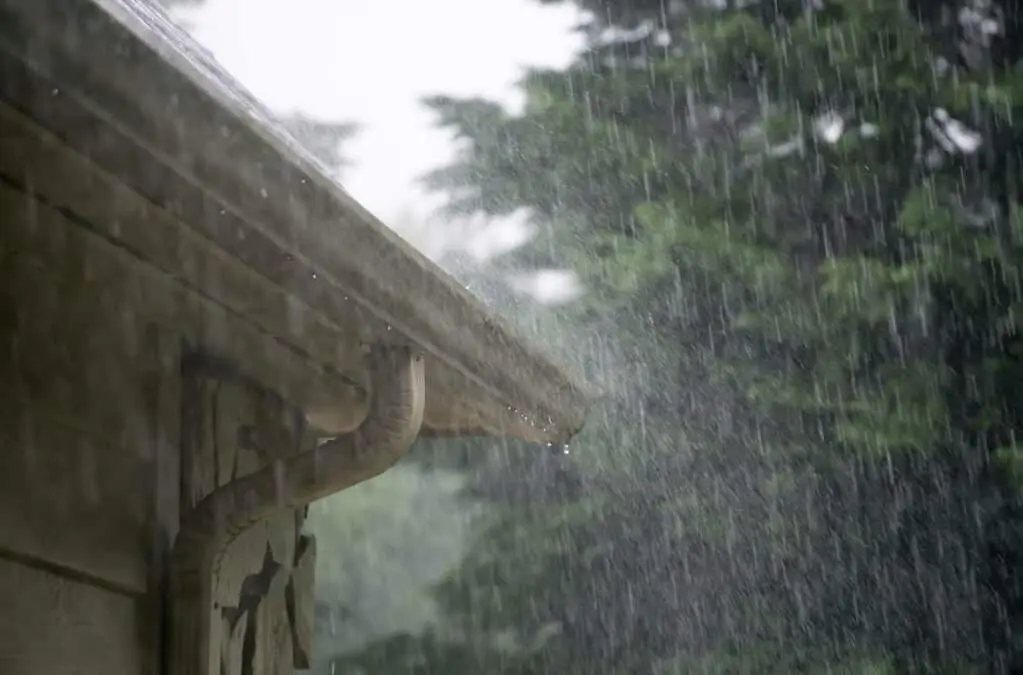
Summer storms can move through Westchester County quickly. And while some pass with little more than thunder and a hard downpour, others bring intense rain, flash flooding, fallen branches, power outages, and water where it absolutely doesn’t belong.
That’s usually when a small weakness becomes a big problem. A blocked sump pump discharge line. A gutter spilling water beside the foundation. A basement drain that has been warning you for weeks with a faint gurgling sound.
Here’s how we think about summer storm preparation: keep water moving away from the home, make sure your protective systems are ready to work, and know what to do if something goes wrong.
At Flotechs, we help homeowners throughout Westchester County prepare for general plumbing repairs and maintenance, drainage services, and HVAC problems before the next storm arrives. The goal isn’t to make homeownership feel more complicated. It’s to help you feel ready.
Test Your Sump Pump Before the Heavy Rain Arrives
A sump pump is easy to forget when the basement is dry. But during a heavy downpour, it may be one of the hardest-working systems in your home.
The pump collects groundwater that enters the sump pit and moves it away from the foundation. If the pump doesn’t start, the float switch sticks, or the discharge pipe is blocked, water can rise surprisingly fast.
A good first step is to test the pump before storm season reaches its peak. With dry hands and a dry floor, slowly pour water into the sump pit until the float rises. The pump should turn on automatically, lower the water level, and shut off when the pit has emptied.
Then check where the discharge line releases water outside. Make sure the opening isn’t blocked by soil, leaves, nests, or landscaping debris and that the water is being directed to an approved location away from the foundation.
And listen. Grinding, rattling, humming without pumping, or frequent short cycles can point to a problem that deserves attention.
Age can be a factor, but it isn’t the only factor. How often the pump runs, its capacity, installation quality, and maintenance history all affect how reliable it will be. If you’re unsure about its condition, a professional sump pump inspection can give you a clearer answer than guessing based on age alone.
Add Backup Protection for Power Outages
Here’s the frustrating part: some of the storms that bring the most rain also knock out the power.
A standard electric sump pump cannot run without electricity. So even a perfectly maintained primary pump may stop protecting the basement at the exact moment groundwater is rising.
A battery backup sump pump provides a second line of protection. It can activate when the primary pump loses power or, depending on the system, when the main pump cannot keep up with incoming water.
But it’s worth being transparent about what a backup system can and cannot do. Battery capacity and operating time vary. A neglected or aging battery may not perform as expected, and no sump pump can guarantee that a basement will remain dry during every possible flood.
That’s why we often recommend looking at the whole setup rather than simply adding a battery. The pump’s capacity, the backup system, the condition of the discharge piping, and the amount of water the home typically receives all matter
A high-water alarm can also provide valuable warning. It won’t remove the water, but it can alert you when the water level rises above normal, giving you time to respond before the basement becomes a much bigger cleanup project.
For homes with finished basements, stored valuables, mechanical equipment, or a history of water intrusion, that extra warning can make a real difference.
Clean Gutters, Downspouts, and Exterior Drains
Gutters may not feel like part of your plumbing system, but they play a major role in how water behaves around your home.
When gutters are clogged, rainwater can spill over the edges and land directly beside the foundation. When a downspout has separated or ends too close to the house, it can send a concentrated stream of water into the exact area you’re trying to keep dry.
Before a major storm, check for leaves, twigs, roof granules, and other debris that may restrict water flow. Look for sagging sections, leaking joints, loose downspouts, and splash marks on the siding or soil.
Downspouts should carry water to an appropriate discharge area away from the foundation without creating erosion or sending runoff onto a neighboring property. Proper drainage solutions may help when roof runoff is collecting too close to the house.
The same idea applies to driveway drains, patio drains, window-well drains, and outdoor catch basins. Clear away leaves, grass clippings, mulch, and sediment before the rain begins.
And make sure sump pump water is discharged according to local requirements. Connecting a sump pump to a sanitary sewer may be prohibited because that extra water can add unnecessary strain to the wastewater system.
Look at How Water Moves Across Your Property
A lot of homeowners first notice a drainage problem in the basement. But then we walk outside and find that the real story begins several feet away from the foundation.
After an ordinary rain, take a careful walk around the property. Don’t do this during thunder, lightning, or active flooding. Wait until conditions are safe.
Look for standing water near the house, washed-out mulch, damp foundation walls, overflowing window wells, or channels where runoff cuts through the lawn. These clues can show you where water naturally collects and where the existing drainage may be falling short.
In general, the ground around the home should encourage water to move away from the foundation. Low spots, settled soil, poorly placed downspouts, compacted ground, and changes to nearby landscaping can all affect that path.
And drainage solutions aren’t one-size-fits-all. A French drain may help one property but do very little for another. Catch basins, channel drains, solid drainage piping, grading corrections, or downspout improvements may be more appropriate depending on the source of the water.
Here’s how we think about it: before choosing a solution, identify where the water is coming from, where it is trying to go, and what is preventing it from getting there.
Pay Attention to Drain and Sewer Warning Signs
Summer storms don’t necessarily create a drainage or sewer problem from scratch. More often, they expose one that was already developing.
A single slow sink may point to a localized clog. But when several fixtures drain slowly, a basement floor drain gurgles, sewage odors appear, or water comes back through a low-level drain, the concern may be farther down the plumbing system.
Possible causes include buildup inside the line, tree-root intrusion, damaged or shifted piping, or another obstruction affecting the home’s sewer connection. In some areas, heavy rain can also contribute to sewer backups when wet-weather flow enters or exceeds the capacity of the surrounding system.
That doesn’t mean every gurgle predicts a backup. But recurring symptoms shouldn’t be ignored, especially if the home has experienced drainage trouble during previous storms.
Professional drain cleaning can make a significant difference. A sewer camera inspection can help identify a blockage or damaged section without relying on guesswork. Once we can see what is happening inside the line, we can explain your options and recommend the most appropriate solution based on the system’s actual condition.
Ask Whether a Backwater Valve Is Appropriate
A backwater valve is designed to help prevent sewage from flowing backward through a home’s drain line when the sewer system becomes overloaded.
It can be useful in certain properties, particularly those with a history of sewage entering through basement fixtures or floor drains. But it isn’t a universal add-on, and it needs to be selected, installed, and maintained correctly.
The home’s plumbing layout, local requirements, valve accessibility, and past backup history should all be considered. When the valve closes, wastewater from inside the home may also be unable to leave through that line, which means water use may need to be limited until conditions return to normal.
So this is one of those situations where a site-specific evaluation matters. A licensed plumber can determine whether a backwater valve or another form of sewer-backup protection is appropriate for your Westchester County home.
Protect Your HVAC and Other Mechanical Equipment
Storm preparation isn’t limited to drains and sump pumps. Floodwater can also damage air-conditioning equipment, boilers, furnaces, water heaters, electrical controls, and other mechanical systems.
Before severe weather, remove loose outdoor objects that could strike the air-conditioning condenser or heat pump. Trim unstable branches through a qualified tree professional and keep leaves and debris from building up around the unit.
Don’t wrap or cover an outdoor HVAC unit while it is operating. Blocking airflow can damage the equipment. For homes with recurring flood exposure, raising outdoor condensers, heat pumps, and other utilities may provide longer-term protection, but the work should be properly designed and installed.
If floodwater reaches HVAC equipment, a water heater, electrical controls, or an appliance, don’t assume it is safe simply because the water has receded. Leave the equipment off and have it inspected by an appropriate professional before restarting it.
And never stand in water while touching electrical equipment, switches, plugs, pumps, or the breaker panel. Water and electricity are a dangerous combination, even when the situation looks manageable.
Know Where Your Main Water Shutoff Is
When water is entering the basement, emotions run high. That is not the ideal moment to begin searching for the main water shutoff valve.
Take a few minutes now to locate it. In many Westchester homes, it is found near the point where the main water service enters the basement, crawlspace, mechanical room, or utility area.
Make sure the valve is accessible and clearly identified. Boxes, stored furniture, and shelving shouldn’t block the way. Other responsible household members should also know where it is and how it operates.
The main shutoff will not stop rainwater, groundwater, or a sewer backup. But it can help during a broken supply pipe, damaged fixture, or another plumbing leak that happens during the storm.
If the valve is corroded, difficult to turn, or hasn’t been operated in years, don’t force it. We’ve seen older valves begin leaking after being disturbed. Having it inspected or replaced before an emergency is a safer approach.
Make a Simple Storm Plan
No one can control the weather. But having a basic plan can make the messy middle of an emergency feel far less overwhelming.
Sign up for local emergency notifications and monitor National Weather Service alerts when severe weather is expected. Keep flashlights, charged power banks, emergency contacts, and basic cleanup supplies somewhere easy to reach.
Move important documents, electronics, rugs, and valuable storage off the basement floor when flooding is possible. Water sensors near the sump pit, water heater, basement drains, and mechanical equipment can also provide early warning.
And know who you will call. Save the contact information for your local plumber plumber, HVAC company, electrician, utility providers, insurance company, and local emergency services before the storm arrives.
When water is already spreading across the floor, every minute spent searching for a phone number feels much longer.
Schedule a Summer Storm Plumbing Inspection
Not every Westchester County home needs a new sump pump, a backwater valve, or a major drainage project.
Sometimes the best next step is much simpler. Clear a blocked discharge line. Repair a loose downspout. Replace an unreliable shutoff valve. Investigate the basement drain that keeps gurgling after heavy rain.
At Flotechs, we help homeowners throughout Westchester County prepare for summer storms with sump pump inspections, backup pump recommendations, sewer and drain services, plumbing maintenance, drainage evaluations, and HVAC guidance.
We’ll take the time to explain what we find, which concerns need attention now, and which ones can be monitored. Because storm preparation shouldn’t be built around fear. It should give you a clearer plan and one less thing to worry about when the clouds roll in.
Contact Flotechs to schedule a summer storm plumbing inspection and make sure your home is ready before the next heavy downpour.
Disclosure:
The information provided in this blog is for general informational purposes only. While we strive to keep the information up-to-date and correct, we make no representations or warranties of any kind, express or implied, about the completeness, accuracy, reliability, suitability, or availability with respect to the website or the information, products, services, or related graphics contained on the website for any purpose. Any reliance you place on such information is therefore strictly at your own risk.